25 years. 1,500 ads. The bottle was always the star.

͏ ͏ ͏ ͏ ͏ ͏ ͏ ͏ ͏ ͏ ͏ ͏ ͏ ͏ ͏ ͏ ͏ ͏ ͏ ͏ ͏ ͏ ͏ ͏ ͏ ͏ ͏ ͏ ͏ ͏ ͏ ͏ ͏ ͏ ͏ ͏ ͏ ͏ ͏ ͏ ͏ ͏ ͏ ͏ ͏ ͏ ͏ ͏ ͏ ͏ ͏ ͏ ͏ ͏ ͏ ͏ ͏ ͏ ͏ ͏ ͏ ͏ ͏ ͏ ͏ ͏ ͏ ͏ ͏ ͏ ͏ ͏ ͏ ͏ ͏ ͏ ͏ ͏ ͏ ͏ ͏ ͏ ͏ ͏ ͏ ͏ ͏ ͏ ͏ ͏ ͏ ͏ ͏ ͏ ͏ ͏ ͏ ͏ ͏ ͏ ͏ ͏ ͏ ͏ ͏ ͏ ͏ ͏ ͏ ͏ ͏ ͏ ͏ ͏ ͏ ͏ ͏ ͏ ͏ ͏ ͏ ͏ ͏ ͏ ͏ ͏ ͏ ͏ ͏ ͏ ͏ ͏ ͏ ͏ ͏ ͏ ͏ ͏ ͏ ͏ ͏ ͏ ͏ ͏ ͏ ͏ ͏ ͏ ͏ ͏  ­ ­ ­ ­ ­ ­ ­ ­ ­ ­ ­ ­ ­ ­ ­ ­ ­ ­ ­ ­ ­ ­ ­ ­ ­ ­ ­ ­ ­ ­ ­ ­ ­ ­ ­ ­ ­ ­ ­ ­ ­ ­ ­ ­ ­ ­ ­ ­ ­ ­ ­ ­ ­ ­ ­ ­ ­ ­ ­ ­ ­ ­ ­ ­ ­ ­ ­ ­ ­ ­ ­ ­ ­ ­ ­ ­ ­ ­ ­ ­ ­ ­ ­ ­ ­ ­ ­ ­ ­ ­ ­ ­ ­ ­ ­ ­ ­ ­ ­ ­ ­ ­ ­ ­ ­ ­ ­ ­ ­ ­ ­ ­ ­ ­ ­ ­ ­ ­ ­ ­ ­ ­ ­ ­ ­ ­ ­ ­ ­ ­ ­ ­ ­ ­ ­ ­ ­ ­

Chase Dimond Logo

Happy Thursday!

Before Absolut became the #2 imported vodka in America, every major distributor passed on it.

They weren't wrong to be skeptical.


The vodka was Swedish, which meant nothing to American drinkers in 1979. It was priced above the domestic brands already on shelves. And the bottle looked like something dug out of a 19th century medicine cabinet, short and round with no label on the glass.


When Absolut hired TBWA to figure out how to sell a bottle nobody wanted, their research confirmed what the distributors already felt. The bottle was a problem. The obvious move was to do what every other premium spirits brand did: shoot the liquid, add a lifestyle scene, and let the bottle disappear into the background.


They did the opposite.


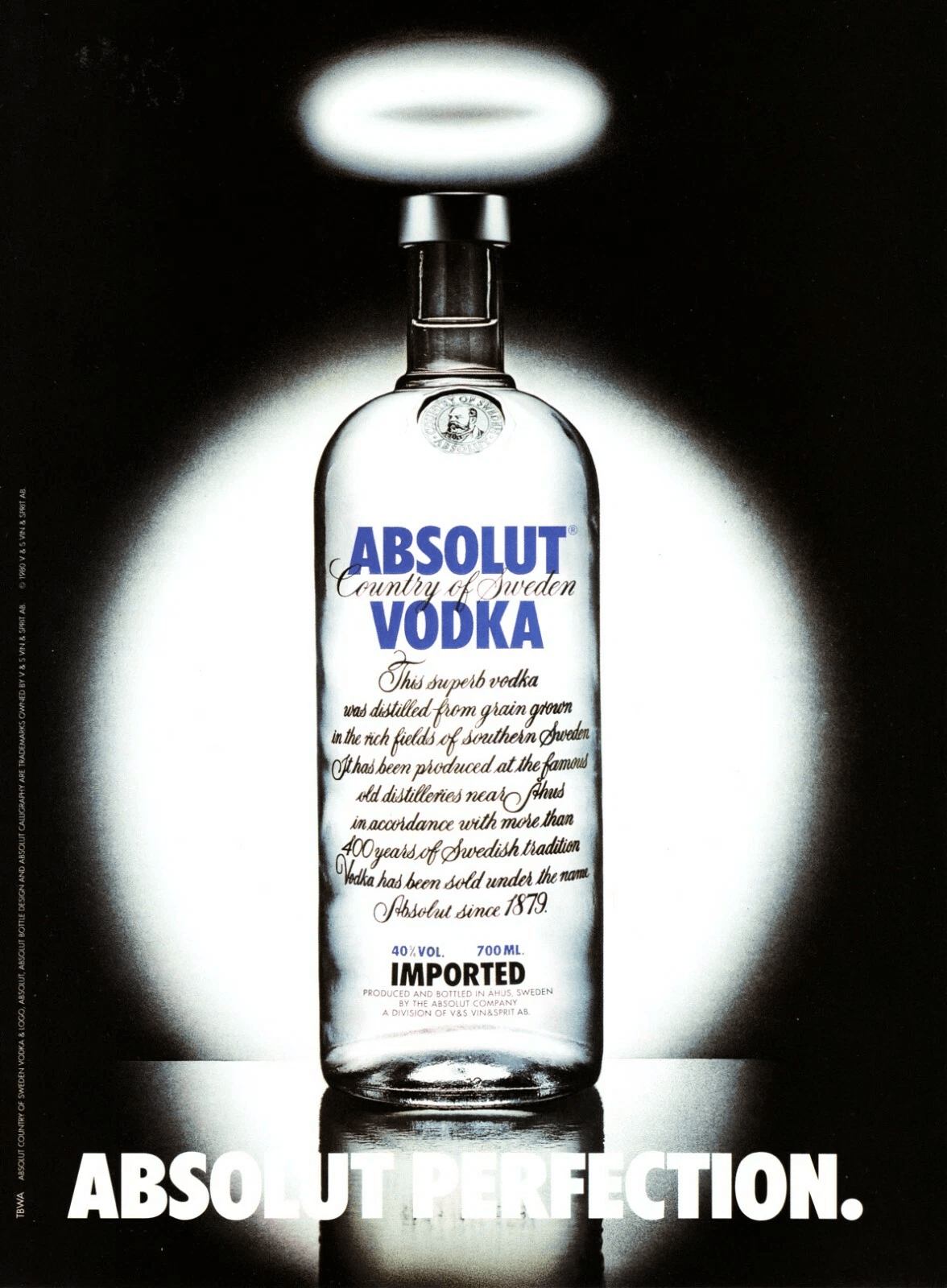
The first ad ran in 1980. Black background. A single spotlight on the bottle. No model, no party, just the glass and a halo of light above the cap. And two words underneath: Absolut Perfection. No country of origin, no taste claims, no explanation of any kind.


Artists started paying attention. Andy Warhol painted the bottle in 1986, and location-based ads followed, each one depicting the bottle shape worked into a local skyline or street. Absolut Manhattan. Absolut Chicago. The structure never changed and the two words never went away. By the late 1980s, people were tearing the ads out of magazines and keeping them. The campaign had become something people wanted to own, not just see.


The campaign ran for 25 years and produced over 1,500 individual ads, all built on the same idea.


Most brands would have refreshed the concept after year two. Absolut didn't win by finding a better idea every month. They won by refusing to let go of one, and that idea was built around the thing everyone told them to hide.


Most ecom brands do the same thing in reverse. They sand down whatever makes their product different and write emails that sound like every other brand in their category. Safe copy, safe angles, nothing that would make anyone uncomfortable.


The brands that write emails worth reading already know what makes their product different. They just stopped leading with it. You don't need a new angle every week. You need the same true thing, said differently each time.


Absolut ran the same idea 1,500 times. That's why you still know the bottle.

Absolut Ad
 

Most email copy fails before the reader gets to the offer.

It's too vague, too safe, and sounds like it was written by someone who was more worried about saying the wrong thing than actually connecting with the person reading it.


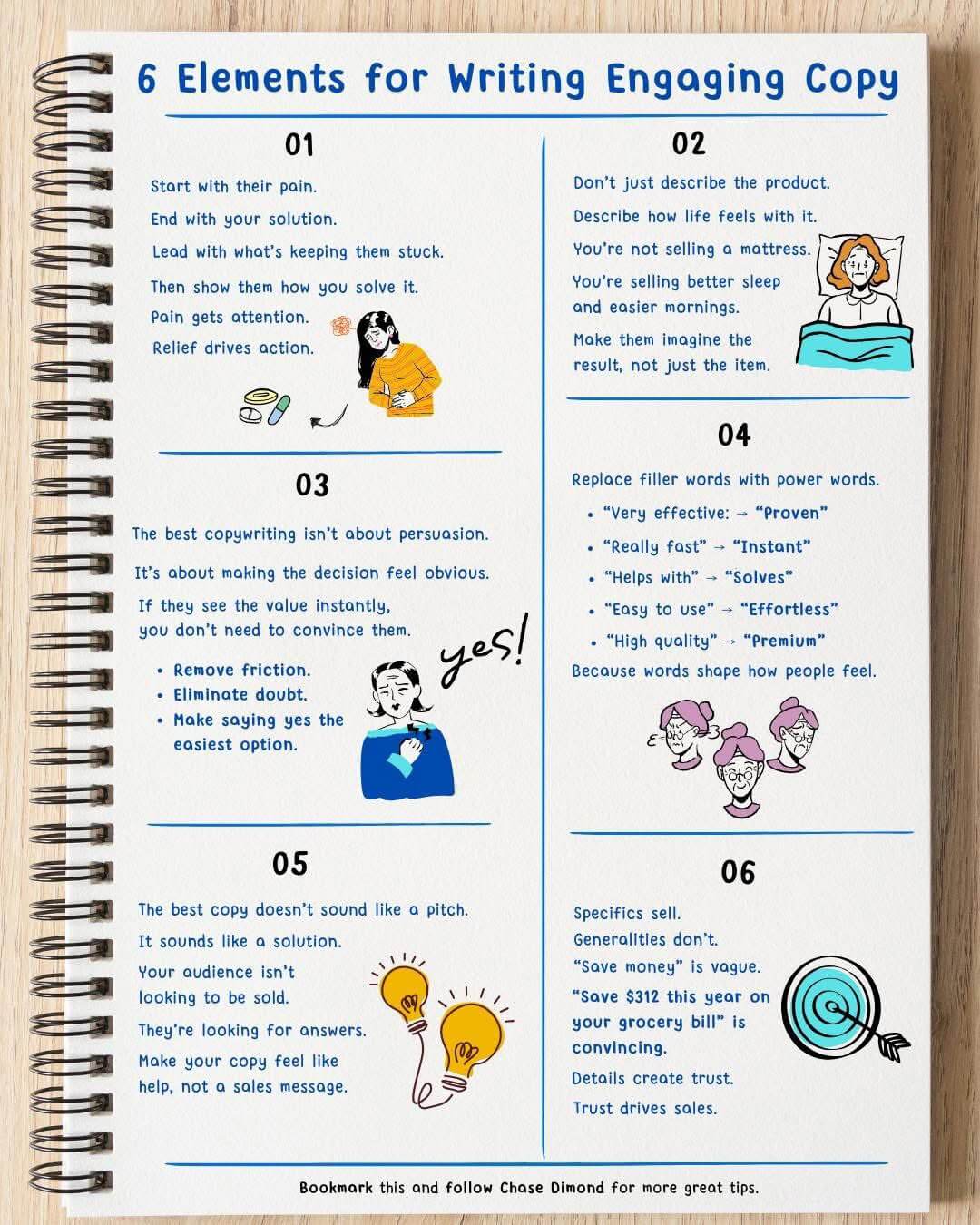
Getting the basics right matters more than finding a new framework. Lead with pain, get specific, and use words that create a feeling instead of words that fill space.


These six elements are worth printing out and keeping next to your keyboard.

6 copywriting tips
 

Enterprise-grade AI presentations. Free. No credit card. No catch.

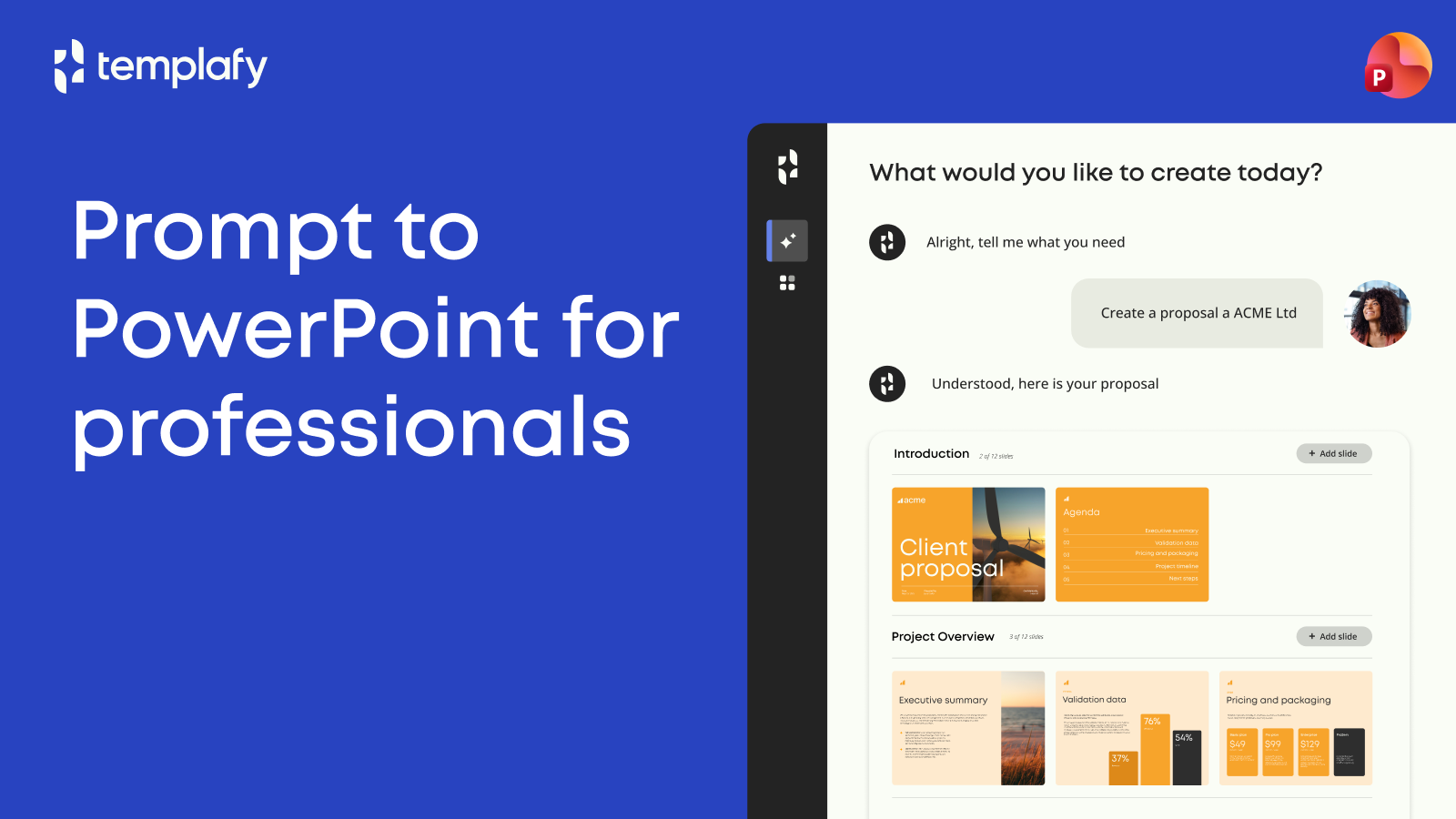
Most free AI presentation tools give you something you'd never put your name on. Templafy is different. Built for the companies that can't afford to send sloppy decks to clients, their AI produces polished, structured PowerPoint presentations from a single prompt.


Marketing reports, campaign performance decks, client proposals, pitch presentations. All downloadable as real .pptx files, you can edit in PowerPoint.


Trusted by 4M+ professionals worldwide. Now open to everyone, completely free. Start creating.

templafy

sponsored


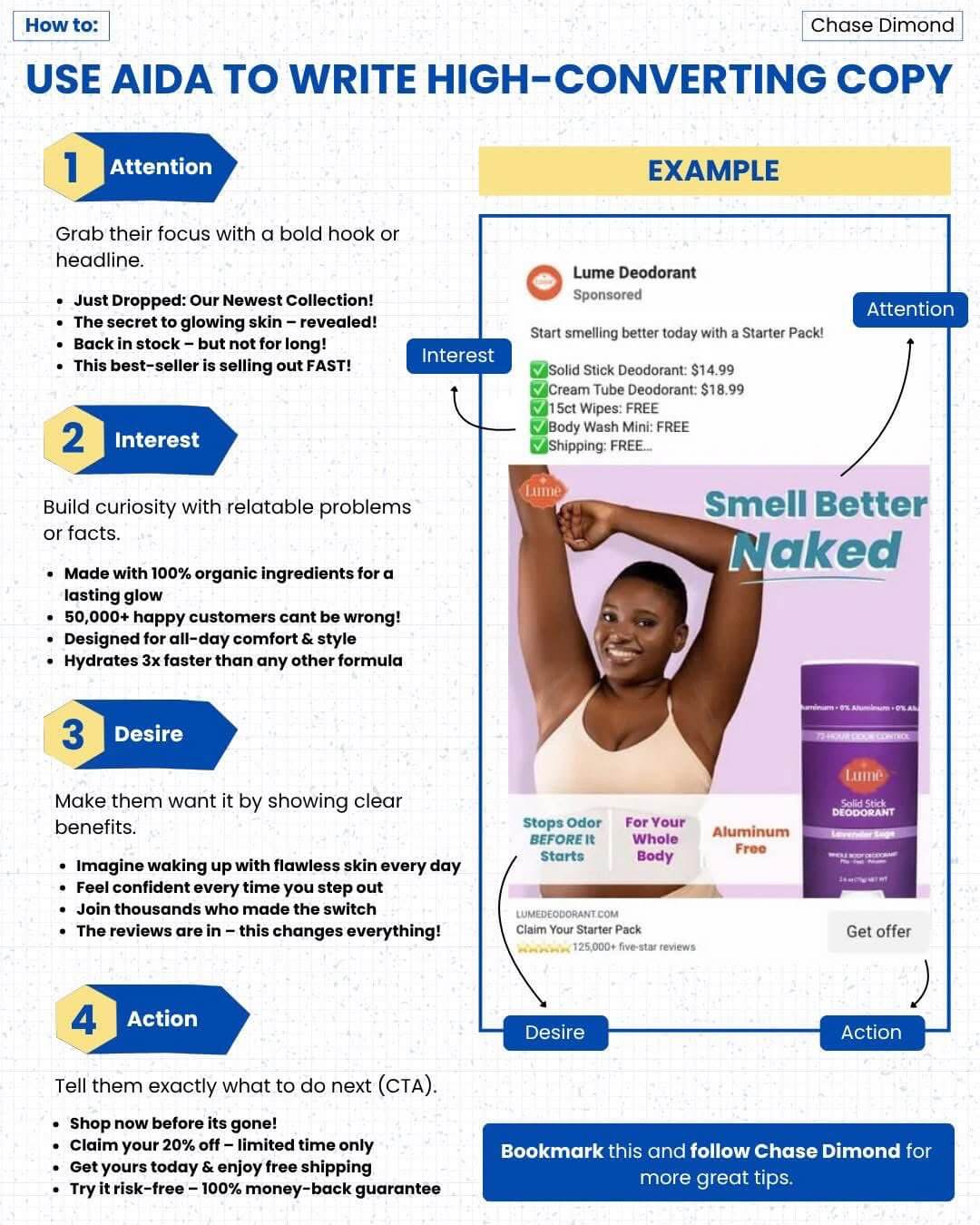
Most email marketers know what AIDA stands for.

Fewer actually use it correctly. They lead with the product instead of the problem, skip straight to the CTA, and wonder why nobody clicks.


The framework itself isn't complicated. Grab attention, build interest, create desire, drive action. But the order matters and so does the execution at each step.


The example on the right side is worth studying. Every element mapped out on a real ad so you can see exactly how it works in practice.

AIDA
 

Try This Before You Write Your Next Email:

Before you write your next email, think about the one thing that makes your product different from every other option in your category.


Not the benefits. Not the features. The one thing a competitor couldn't honestly say about their product. Most brands know what it is. They just don't lead with it. They bury it in paragraph three or leave it out entirely because they're too focused on the sale to think about the story.


For a sunscreen brand it might be that every bottle is reef-safe and third-party tested. For a coffee brand it might be that every bag is roasted the day it ships. Write it down before you touch the email. Then build everything around it. Subject line, opening sentence, CTA.


Use this prompt:


"I sell [product] to [audience]. The one thing that makes us different from every other option is [differentiator]. Write 5 email subject lines that lead with that differentiator and make it impossible to ignore."


The Question I Keep Getting:

"Chase, I have a solid product but I can never figure out what angle to lead with in my emails."


This is more common than people admit. The product is good, the list is there, but every send starts with a blank page and a guess.


The answer is usually sitting in your reviews. Go back through what customers wrote when they described why they bought, in their own words rather than your marketing copy. You're looking for the moment someone explains why they picked you over everything else they considered.


The phrase that shows up most often is what your emails should lead with. Put it in your subject line, open with it in your first sentence, and build the email around it. Most brands overthink this and keep searching for a new hook every week. They don't need to. The majority of your list didn't open your last email. Find the one true thing and repeat it.


Have a great week, and make sure to send some emails.


- Chase


P.S. If you want to see how I use AI in my own marketing and copywriting, I'm breaking it all down in a free virtual talk. 

Register for free here.


This email was sent from my Omnisend account. 


I migrated to Omnisend from Klaviyo, and I'm loving Omnisend.


No longer want to receive these emails? Unsubscribe

Dimond LLC, 13171 Sussex Pl, Santa Ana, California, 92705